
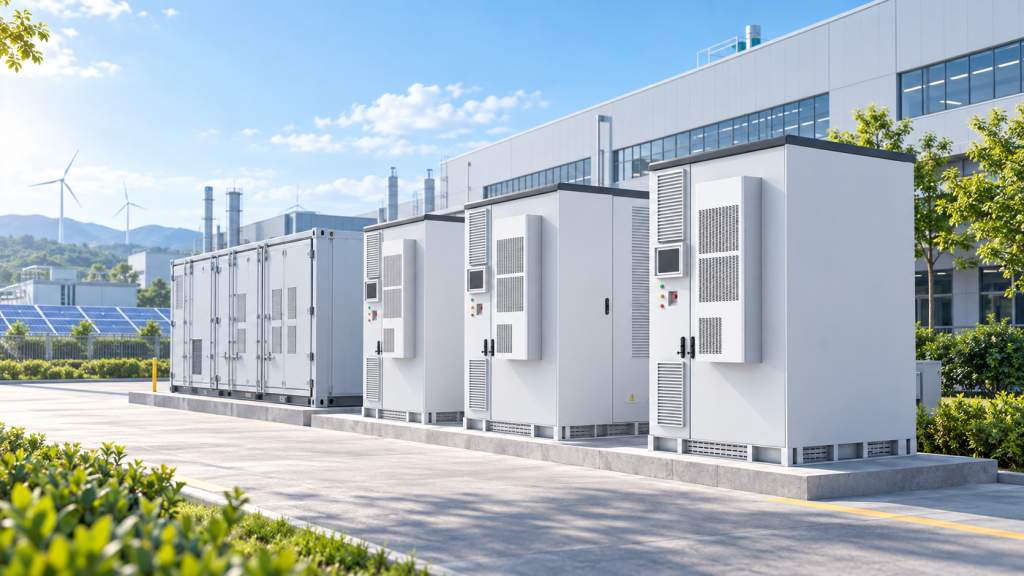
Resilient Power Architecture
Microgrid & Backup Power for Weak-Grid and Off-Grid Sites
Quick answer: An industrial microgrid coordinates BESS, solar, diesel generation and utility power under one control strategy so a site can improve resilience, support critical loads and operate through weak-grid or off-grid conditions. The design depends on the single-line diagram, load profile, critical loads, generator and PV capacity, grid availability, autonomy target and required operating modes.
Key Benefits of an Industrial Microgrid
Multi-source Integration
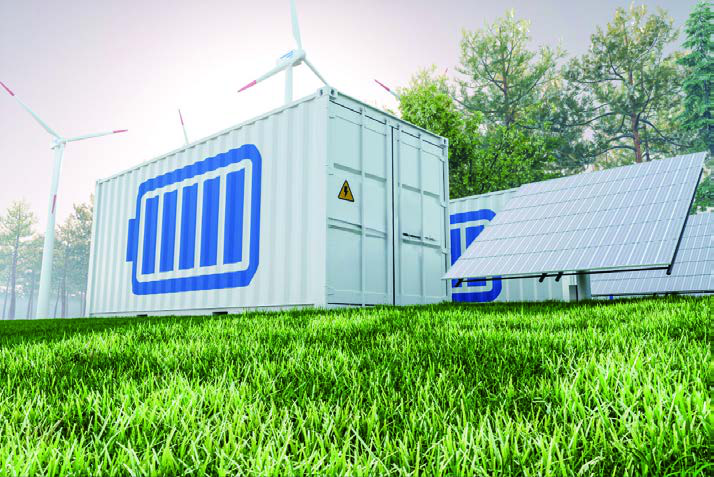
Coordinate batteries, PV, generators and utility power in one operating strategy.
Critical Load Support
Maintain priority loads during grid interruptions and unstable supply conditions.
Flexible Operation
Configure grid-connected, islanded or hybrid operating modes to fit the site.
Start with your site architecture
Share the single-line diagram if available, load profile, critical load list, generator and PV capacity, grid availability, autonomy target and control requirements. We will prepare a suitable equipment and integration concept.
What makes an industrial microgrid work
A microgrid is more than a group of power sources. The battery, grid connection, PV, diesel generators, switchgear and control system must operate under a coordinated strategy. Zevonexa focuses on equipment configuration and integration logic so the site can transition between normal operation, backup support and islanded operation when required.
- Coordinate multiple energy sources under one operating strategy.
- Maintain reserve power for priority or critical loads.
- Support weak-grid or intermittent utility conditions.
- Reduce unnecessary generator operation when storage or PV is available.
Microgrid design checklist
| Project input | Design relevance |
|---|---|
| Single-line diagram | Shows the electrical architecture, source connections and switching points. |
| Critical load list | Defines the loads that must remain supported during abnormal conditions. |
| PV and generator capacity | Determines source coordination and available charging power. |
| Operating modes | Defines grid-connected, islanded, backup and hybrid control requirements. |
Microgrid FAQ
Can the microgrid operate when the utility grid fails?
It can be configured for islanded or backup operation when the project electrical architecture and controls support safe separation from the utility grid.
Can an existing PV plant and diesel generator be retained?
Often yes. Existing assets can be reviewed as part of the microgrid design so the new BESS is configured around the site’s current equipment and operating objectives.
BESS sizing guide · Diesel + BESS · Remote industrial & EPC power
Review the modular 215kWh BESS or the larger 1MWh battery energy storage system, then send your load and site data for a project-specific configuration.
How an industrial hybrid microgrid connects
How should buyers specify an industrial microgrid?
Start with the critical and non-critical load profile, maximum demand, required autonomy, grid outage pattern, solar capacity, generator ratings, fuel-reduction objective, black-start or backup requirements, voltage level, installation environment and future expansion. The control strategy should be designed around these project inputs rather than a generic battery size.
Use the BESS Sizing Calculator for a preliminary estimate and the BESS Buyer Guides to prepare the RFQ. Depending on required energy, also compare the 215kWh BESS and 1MWh BESS.